
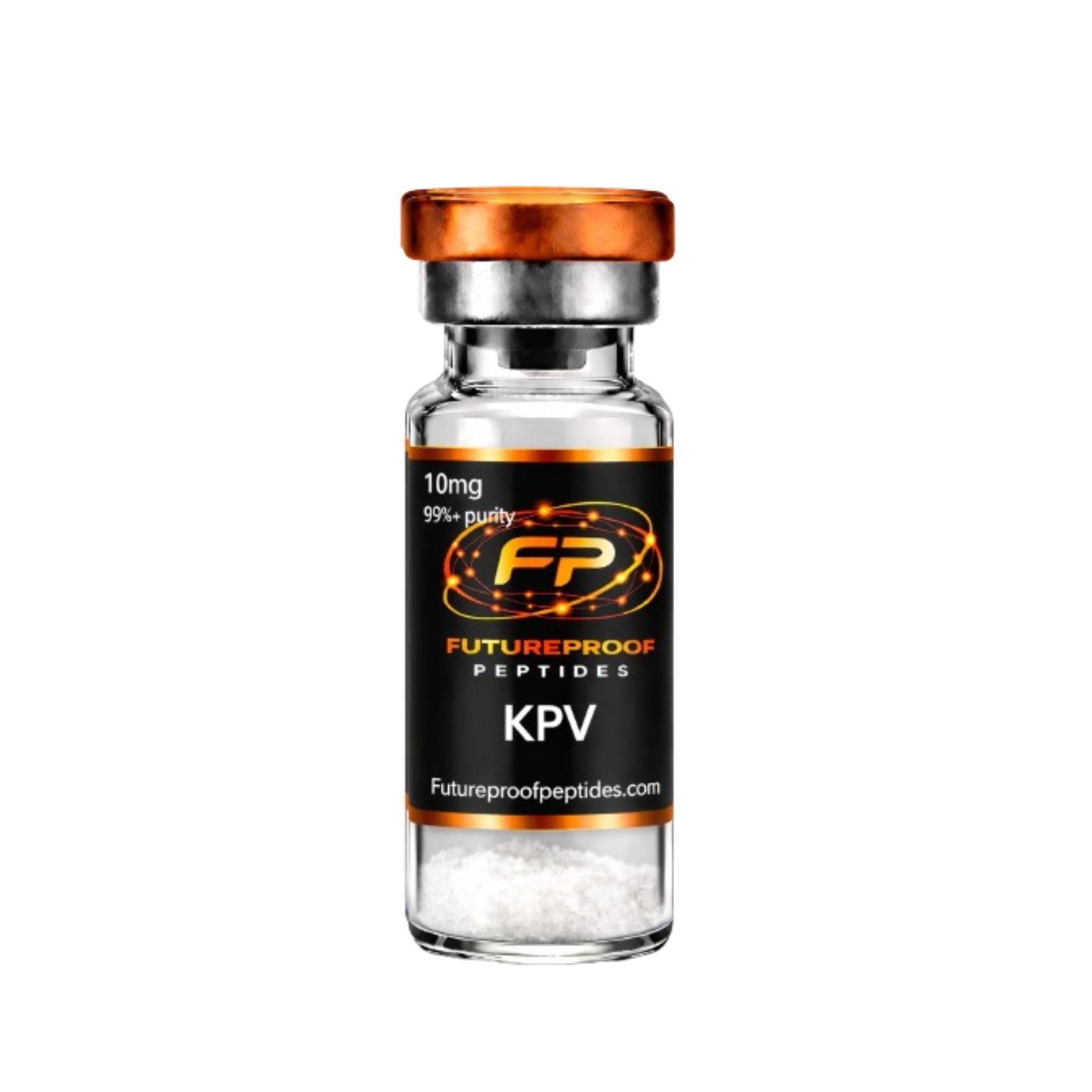
KPV is a research peptide known as a tripeptide fragment derived from melanocyte-stimulating hormone α MSH. It is made up of three amino acids: lysine, proline, and valine, often referred to as KPV lysine proline valine.
The KPV peptide is studied in relation to inflammatory responses and how the body manages inflammation. Because of its simple structure, it is often used in research applications that focus on how small peptide fragments influence cellular signalling. KPV is produced to a high purity standard and is handled in controlled environments where consistency and preparation methods are important.
What Is KPV?
KPV is a short-chain peptide made from three amino acids. It is derived from a larger hormone known as melanocyte-stimulating hormone α MSH, but focuses on a specific fragment linked to inflammatory pathways.
In simple terms, it is used to explore how:
Inflammatory responses are regulated
Cells respond to stress signals
Pathways such as NF κB are influenced
Small peptide fragments interact with larger systems
Because it is a tripeptide fragment, it is often used in models where targeted observation is needed without introducing more complex compounds.
Why It’s Researched
There have been studies exploring how peptides derived from melanocyte-stimulating hormone α MSH influence inflammatory responses. KPV is of interest because it focuses on a specific segment linked to these pathways.
Research in this area looks at how systemic inflammation is regulated and how cells respond when these pathways are activated or reduced. Research focuses on how the body manages inflammation and how balance is maintained under different conditions.
These findings are limited to controlled environments and are not established for clinical use.
The Benefits Of KPV From Research
KPV research has explored how inflammatory pathways may influence broader biological processes. These observations are based on controlled settings and focus on how the body responds at a cellular level.
Studies have looked at areas such as:
Regulation of anti-inflammatory responses
Changes linked to systemic inflammation
Models related to gut health and digestive system response
There has also been interest in how these processes behave over longer periods, particularly in long-term models that observe consistency over time. Information on side effects is limited, and outcomes can vary depending on conditions and setup.
Is KPV Used In Blends
KPV is sometimes included in multi-component formulations where different peptides are combined to observe how they interact. One example is its inclusion in blends such as Klow, where it is studied alongside other compounds involved in tissue structure and signalling pathways.
In these setups, the focus is on how combined components behave together rather than individually. This allows for comparison between single-compound and blended approaches within the same conditions.
Usage And Storage
Our KPV 10mg peptide is supplied as a dry powder and requires preparation before use. This is typically carried out using bacteriostatic water to create a solution for controlled environments. Preparation should follow a step-by-step approach to maintain consistency. Once prepared, the solution should be handled carefully to reduce variation.
Standard practices include:
Maintaining stable temperature conditions
Avoiding repeated freeze-thaw cycles
Using consistent preparation methods
For long-term storage, the product should be kept under appropriate conditions before and after preparation to maintain stability.
Disclaimer: This product is sold strictly for research purposes only. Not for human consumption.
Related products
-
Medication
ARA-290 10mg
Price range: $33.73 through $67.50 Select options This product has multiple variants. The options may be chosen on the product page
Reviews
There are no reviews yet.